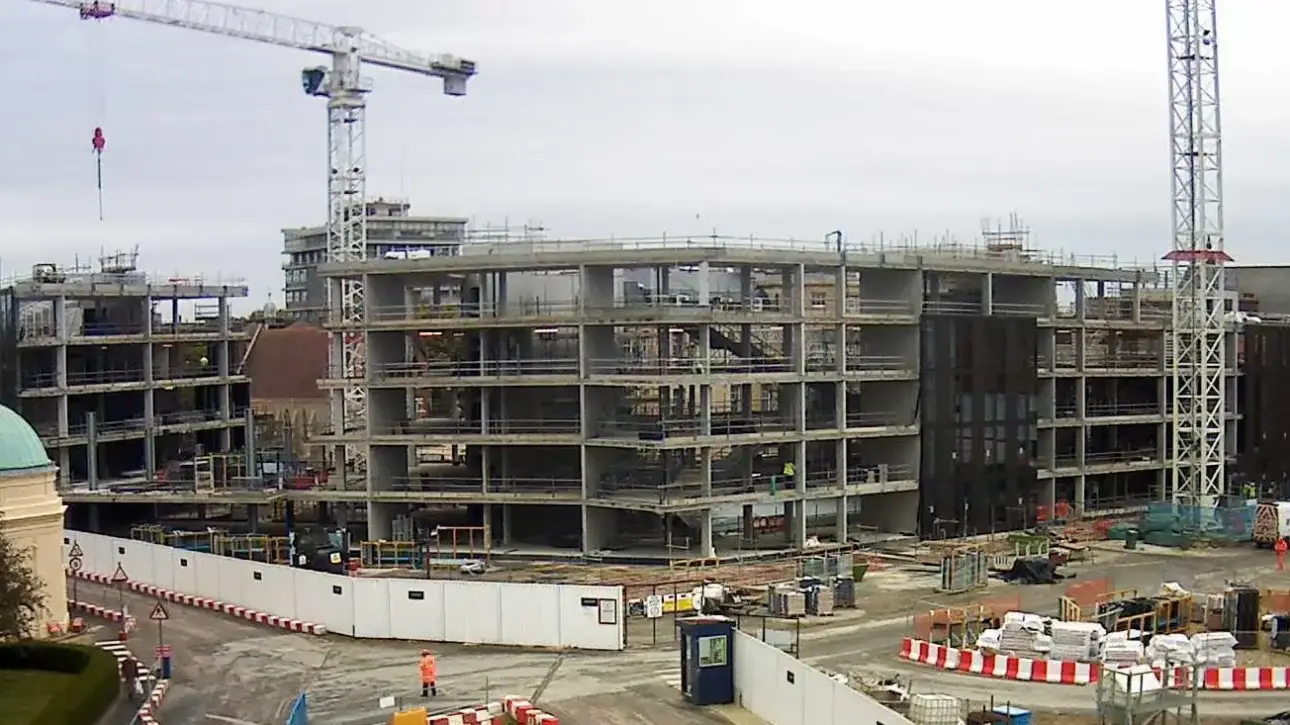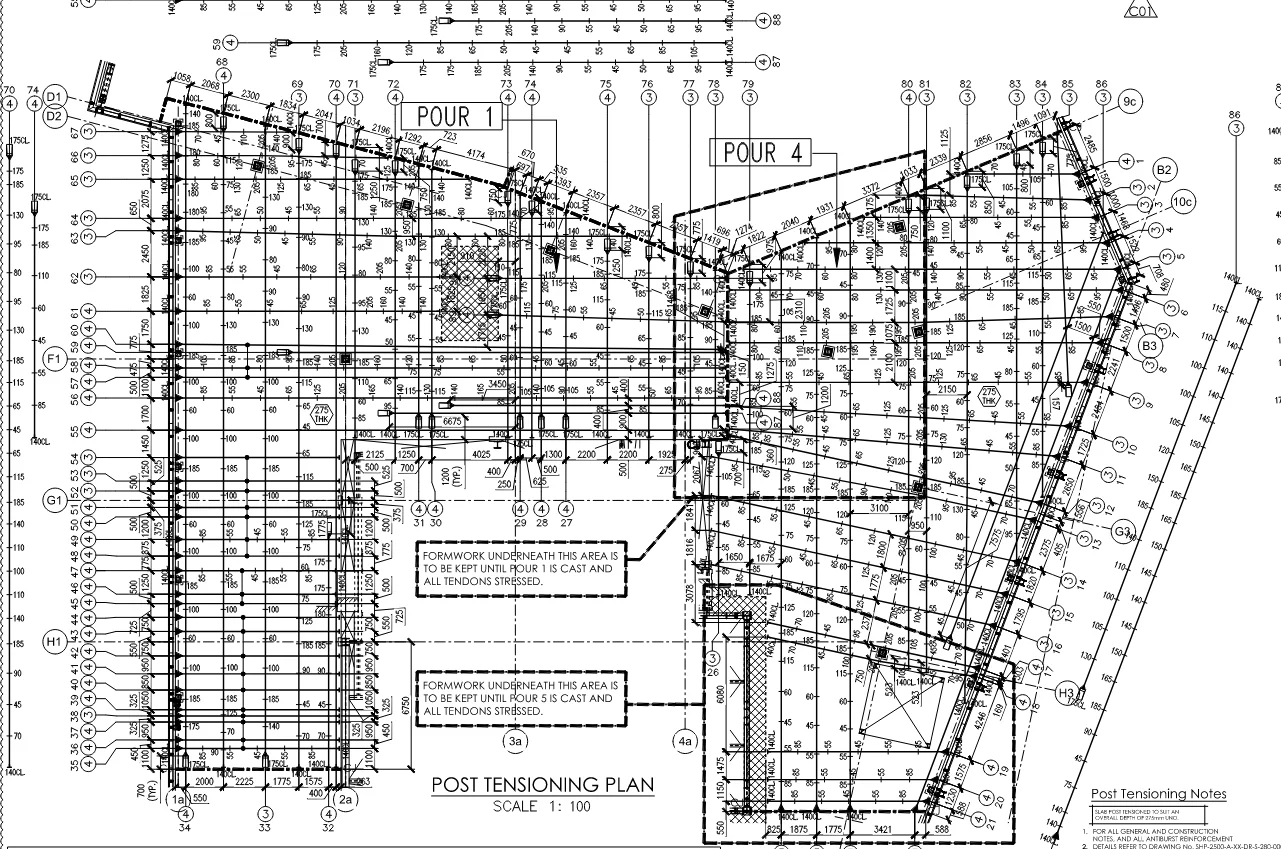


Modern construction projects have to balance structural performance, architectural requirements, construction timelines, and commercial objectives. Developers want efficient use of floor space, contractors need practical construction sequences, and investors are focused on completing projects within the planned programme.
This is where post-tensioning can provide an alternative to conventional reinforced concrete. By introducing compressive forces into…
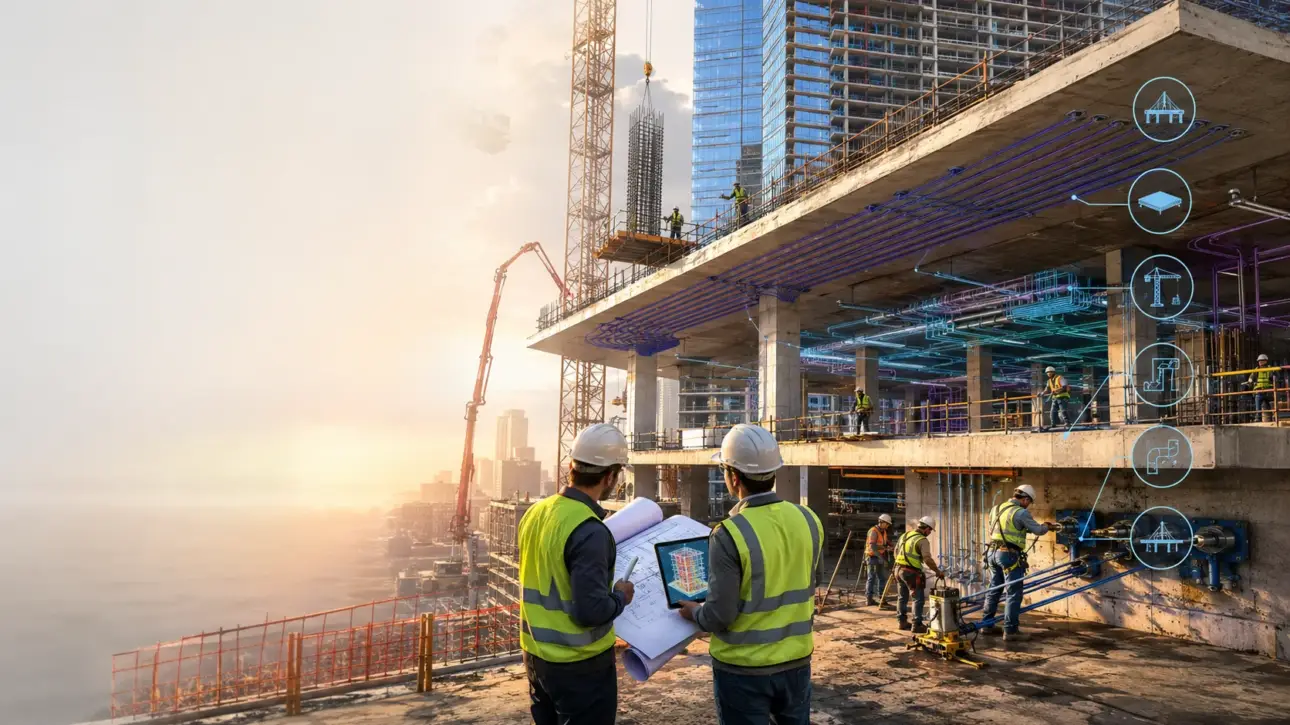
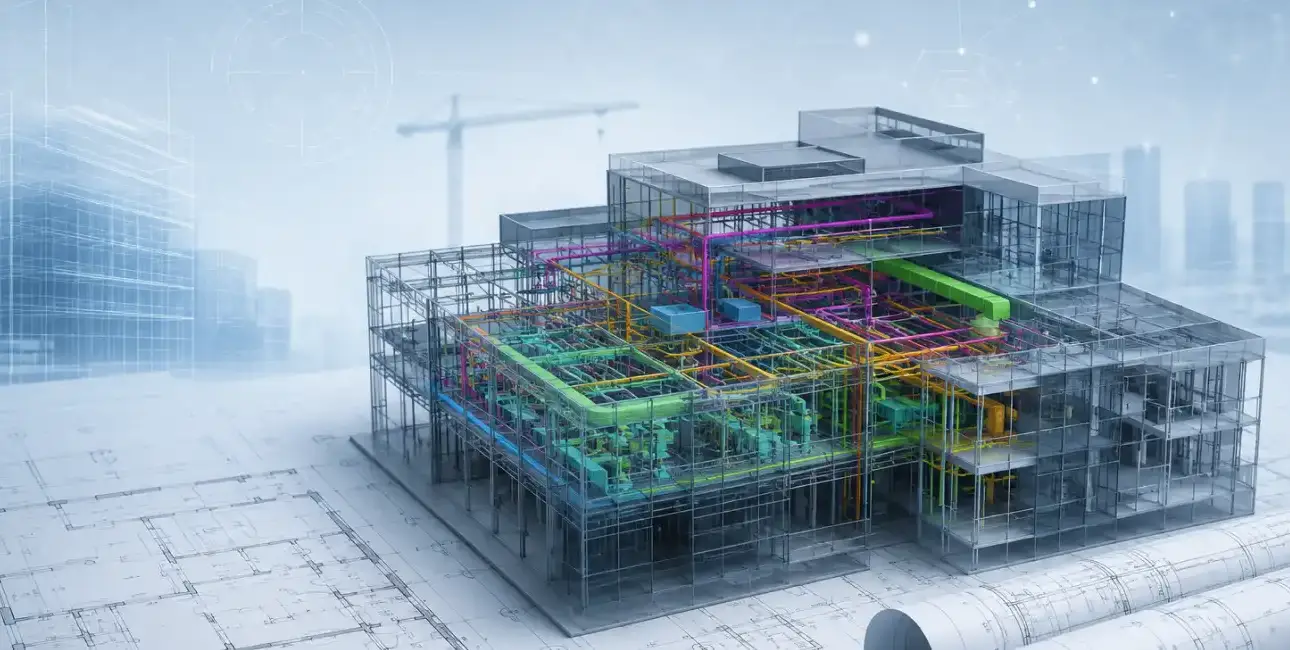
Construction projects today involve multiple teams working together, including architects, structural engineers, MEP consultants, contractors, and project owners. As projects become larger and more complex, maintaining accurate information and effective coordination across every discipline becomes increasingly important. Miscommunication or design conflicts can lead to delays, additional revisions, and challenges during construction.
This is where BIM…
In today’s evolving construction landscape, the definition of an ideal workplace for civil engineers is shifting. While large corporates have traditionally attracted talent through brand recognition and scale, a rising number of professionals, especially in structural design, BIM modeling, and post-tensioning are now choosing to grow their careers with mid-sized specialist firms.
So, what’s fueling…
As construction becomes increasingly digital, the role of BIM (Building Information Modeling) in execution has evolved from a coordination tool to a full-fledged construction asset. In 2025, LOD 400 (Level of Development) models are no longer a luxury, they are becoming a project standard for teams looking to reduce rework, save time, and improve site…