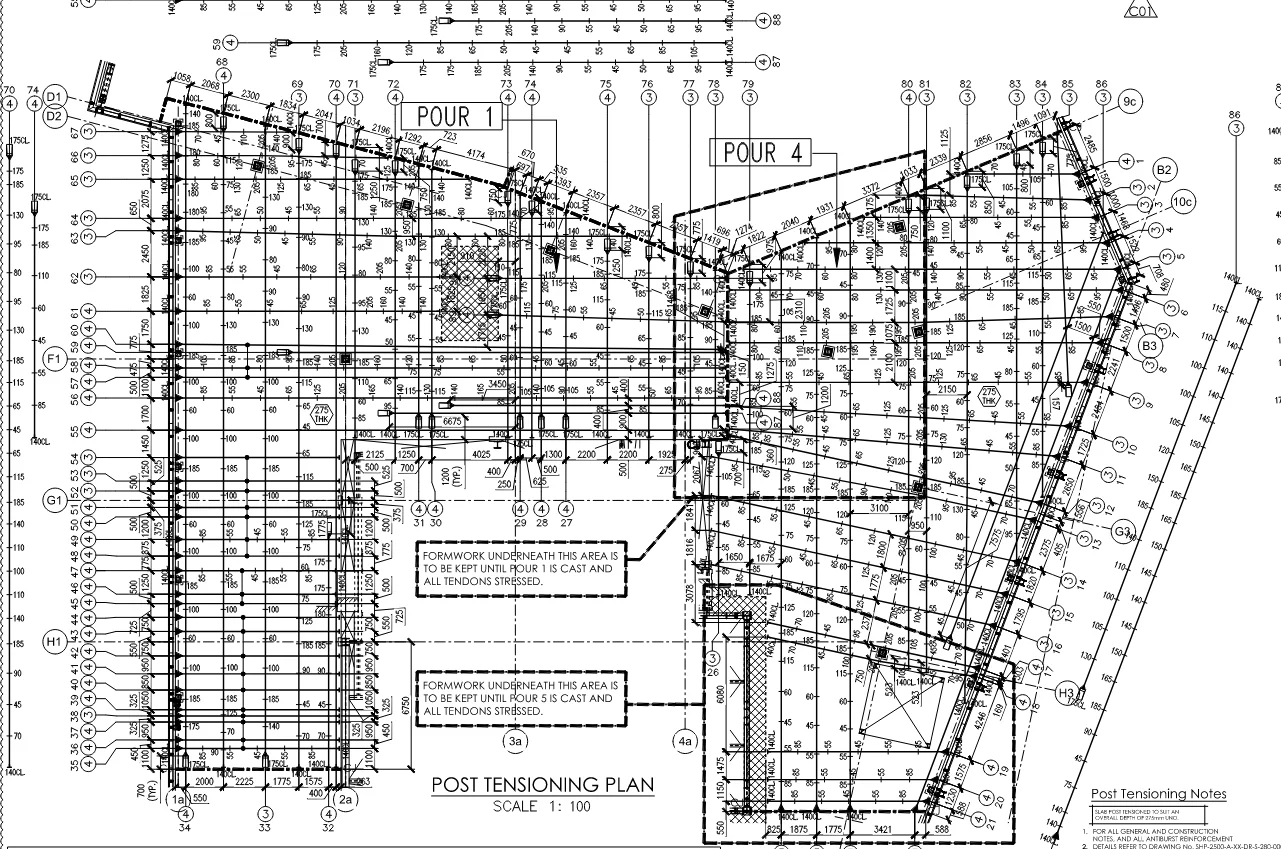



Construction projects today involve multiple teams working together, including architects, structural engineers, MEP consultants, contractors, and project owners. As projects become larger and more complex, maintaining accurate information and effective coordination across every discipline becomes increasingly important. Miscommunication or design conflicts can lead to delays, additional revisions, and challenges during construction.
This is where BIM consulting services make a difference. Building Information Modelling (BIM) provides a structured approach to managing project information, helping teams collaborate more effectively throughout the design and construction process. Rather than focusing only on creating 3D models, BIM consulting establishes workflows, standards, and coordination practices that support better project delivery. Additionally, BIM supports facility and maintenance teams by providing accurate asset information, making ongoing maintenance and operational tasks more efficient throughout a building’s lifecycle.
What is Building Information Modelling (BIM)?
Building Information Modelling (BIM) is a collaborative process for creating and managing intelligent digital models of buildings and infrastructure. Unlike traditional 2D drawings, BIM combines graphical models with project information such as materials, dimensions, specifications, and building systems.
Because all disciplines work within a coordinated digital environment, project teams can review designs together, identify potential conflicts early, and improve communication throughout the project lifecycle. This collaborative approach supports better decision-making before construction activities begin.
Why BIM Consulting Services Matter
Successfully implementing BIM requires more than software expertise. It involves developing consistent modelling standards, defining project workflows, and ensuring effective collaboration between all stakeholders.
BIM consulting services typically support:
- BIM execution planning
- Model coordination across disciplines
- Project-specific modelling standards
- Information management workflows
- Model review and quality assurance
These processes help project teams maintain consistent project information and improve collaboration from design through construction.
How BIM Improves Project Coordination
Construction projects often involve architectural, structural, and MEP teams working simultaneously. Without effective coordination, conflicts between these disciplines may only become apparent during construction.
BIM enables project teams to review coordinated models before work begins on site. For example, a structural beam and an HVAC duct occupying the same space can be identified during the design stage, allowing teams to review and resolve the issue before construction begins through coordinated, clash-free BIM models.
Early coordination helps improve communication between disciplines and supports informed design decisions throughout the project.
BIM Across Different Engineering Disciplines
BIM supports collaboration across multiple engineering fields.
Architectural Design: Architects use BIM to develop coordinated building layouts, improve design visualisation, communicate design intent more effectively, and collaborate efficiently with structural and MEP teams throughout the design process.
Structural Engineering: Structural engineers use BIM to develop coordinated structural models, evaluate design accuracy, and work closely with architectural and MEP teams to minimise coordination issues before construction.
MEP Engineering: Mechanical, electrical, and plumbing consultants use BIM to coordinate building services and review potential clashes before installation.
Civil Engineering: Civil engineering teams use BIM to support infrastructure planning, site coordination, utility management, and large-scale development projects.
Supporting Successful BIM Implementation
A successful BIM strategy depends on clear planning and well-defined processes. Establishing consistent workflows helps project teams manage information efficiently throughout the project lifecycle.
A structured BIM implementation generally includes:
- BIM Execution Plans (BEP)
- Common modelling standards
- Coordination procedures
- Information management practices
- Regular model reviews and quality checks
These practices help improve consistency while supporting collaboration between consultants, contractors, and project owners.
BIM in Modern Construction
BIM has become an important part of modern construction across residential, commercial, industrial, healthcare, educational, and infrastructure projects. As digital construction continues to evolve, many organisations use BIM to improve project coordination and information management across multiple disciplines.
International information management standards such as ISO 19650 guide the management of project information throughout the lifecycle of a built asset. Aligning BIM workflows with recognised standards helps establish consistent processes and supports effective collaboration across project teams.
Choosing the Right BIM Consulting Partner
Choosing a BIM consulting partner involves more than selecting a team with software expertise. An experienced consultant should understand engineering workflows, multidisciplinary coordination, and project information management.
A reliable BIM consulting partner should provide the following:
- Experience coordinating architectural, structural, and MEP models
- Well-defined BIM workflows
- Consistent modelling standards
- Effective communication throughout the project lifecycle
- Support for collaborative project delivery
These capabilities help organisations establish structured BIM processes that align with project requirements.
Conclusion
As construction projects continue to increase in complexity, effective coordination and accurate project information have become essential for successful project delivery. BIM consulting services help organisations establish structured workflows, improve interdisciplinary collaboration, and manage project information more efficiently throughout the design and construction phases.
Whether supporting commercial buildings, residential developments, industrial facilities, or infrastructure projects, BIM provides a practical framework for coordinating project information and improving communication across all stakeholders. Working with an experienced BIM consulting team can help organisations adopt consistent digital workflows that support better collaboration throughout the entire project lifecycle.